The Coastal Aesthetic: Styling a Beachfront Rental in Diani
Create a beachfront rental that captures the spirit of the coast while standing up to the demands of the tropical climate.
Coastal Style Beyond Clichés
The coast has its own design language — one that is often reduced to seashell motifs and navy-and-white stripes in the popular imagination. But the real coastal aesthetic, as practised by designers working along the Kenyan shoreline from Mombasa to Diani, is more sophisticated. It draws from the natural palette of sand, sea, sky, and coral, and it prioritises materials that thrive in the marine environment.
A beachfront rental exists in a unique category. It must be beautiful enough to inspire, durable enough to withstand salt air and humidity, and practical enough for the turnover demands of short-term letting. Getting this balance right is the difference between a property that guests remember fondly and one they return to year after year.
Material Selection for the Marine Environment
The coastal climate is unforgiving. Materials that perform well inland can fail spectacularly within kilometres of the ocean. Salt-laden air accelerates corrosion, humidity encourages mould, and the intense equatorial sun fades fabrics and finishes. The solution is not to fight these forces but to work with them by choosing materials that actually improve with age.
Natural fibres are your allies. Linen, cotton, sisal, and coir all breathe, resist mould, and develop character as they weather. Avoid synthetic upholstery that traps moisture and heat. For flooring, polished concrete or large-format porcelain tiles that mimic natural stone offer durability without the maintenance demands of real timber. If you want wood, choose reclaimed teak or eucalyptus — both are naturally resistant to moisture and insects.
Outdoor-grade fabrics should extend indoors. On a sofa that sits near open windows, specify solution-dyed acrylic or polyester fabric rated for UV and water resistance. It feels like linen but performs like armour.
Capturing the Light
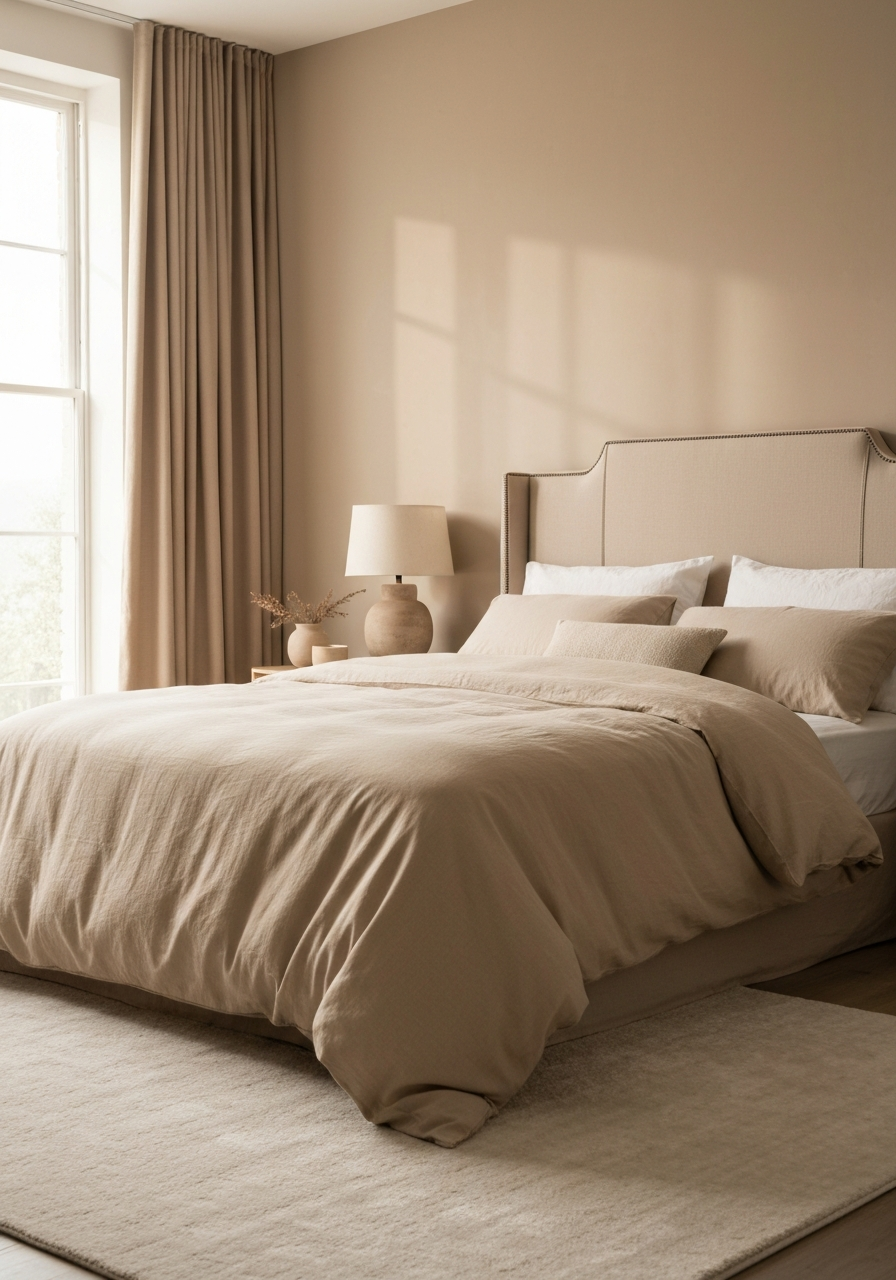
Coastal light is different — it is brighter, more reflective, and changes throughout the day in ways that inland light does not. Design to embrace this. Sheer linen curtains filter harsh midday sun into a soft glow. Shuttered windows allow you to modulate light and airflow simultaneously. A palette of off-white, sand, and pale terracotta reflects light rather than absorbing it, keeping interiors cool and luminous.
Mirrors are especially effective in coastal spaces. A large mirror opposite a window doubles the view and bounces light deep into the room. In a narrow corridor, a series of small mirrors arranged as a gallery creates the sense of an open, airy passage.
Bringing the Outside In
The best coastal interiors erode the boundary between indoor and outdoor living. Sliding glass doors that pocket completely into the wall, continuous flooring that runs from inside to veranda, and outdoor seating that rivals the comfort of indoor furniture all encourage guests to live across both zones. An outdoor shower — even a simple open-air stall with a stone floor and a rainfall head — is a feature that guests remember and rave about.
Planting is equally important. Palms, ferns, and bougainvillea soften the architecture and connect the interior to the landscape. Use large terracotta or glazed ceramic pots rather than plastic — the weight and texture of natural containers anchor the greenery and add visual substance.
The Verdict
A coastal interior that works is one that respects its environment. Choose materials that embrace the climate rather than resist it, create spaces that flow seamlessly outdoors, and let the natural landscape be the primary decoration. The result is a rental that feels timeless, resilient, and unmistakably of its place.