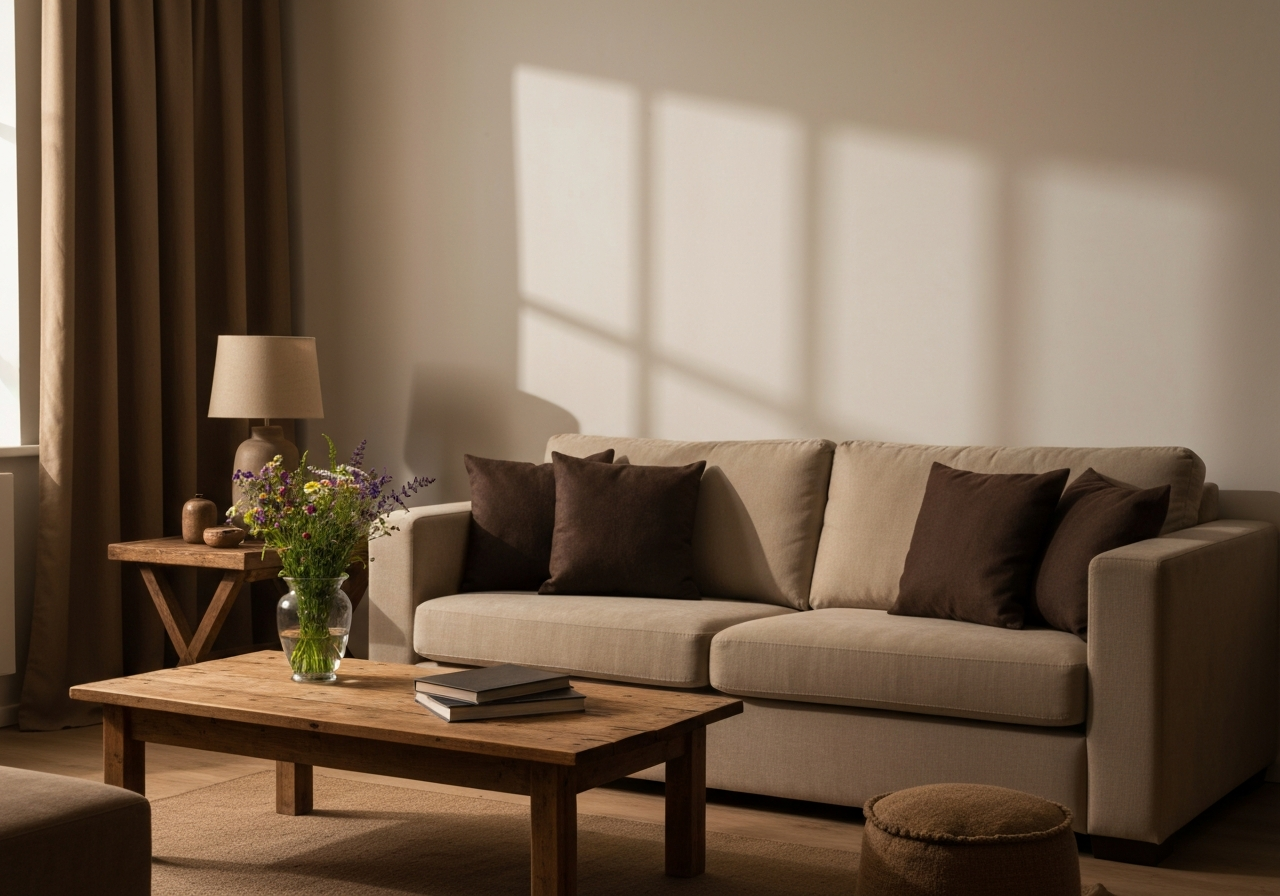
Biophilic Design: Bringing the Outdoors Into Your Safari Lodge
Learn how biophilic design principles can transform your safari lodge into a serene sanctuary that honours the surrounding landscape.
What Is Biophilic Design?
Biophilic design is not a trend — it is a return to something fundamental. The term, popularised by biologist E.O. Wilson, describes our innate human tendency to seek connections with nature. In interior design, it translates into spaces that blur the boundary between indoors and out, using natural materials, organic forms, and living elements to create environments that feel restorative and alive.
For safari lodges and nature retreats across Kenya and South Africa, biophilic design is not merely appropriate — it is essential. Your guests have travelled thousands of kilometres to be close to the wild. The last thing they want is a interior that could be anywhere in the world. A biophilic approach ensures that the building itself becomes part of the experience, not a barrier from it.
Material Honesty
The foundation of any biophilic interior is material selection. Stone, timber, clay, linen, wool, rattan — these are not decorative choices but structural ones. In a lodge near the Maasai Mara, we specified locally quarried stone for the feature wall behind the reception desk. The stone carries the same geological story as the hills visible from the window. The guest does not need this explained; they feel it.
Timber should be left to express its natural character. Choose finishes that allow the grain, knots, and colour variation to show. In coastal environments, reclaimed teak or treated eucalyptus offers durability without sacrificing warmth. Avoid heavy staining that masks the material; the goal is to celebrate what is natural, not hide it.
Visual and Physical Connections
A biophilic interior extends sightlines to the outdoors wherever possible. Large windows, glazed doors, and strategically placed mirrors all draw the eye outward. But the connection should not be purely visual. Consider how the space feels — the movement of air, the quality of light, the sound of birds or water. Screened louvres, covered verandas, and indoor-outdoor transitions that use the same flooring material create a seamless flow.
Indoor plants are an obvious but powerful tool. Choose species that thrive in the local climate and reflect the surrounding vegetation. A cluster of mature Sansevieria or a statement fiddle-leaf fig can anchor a corner with the same weight as a piece of sculpture. For lodges in arid regions, drought-tolerant succulents and sculptural aloes read as both decorative and site-specific.
Light That Changes
One of the most overlooked aspects of biophilic design is dynamic light. Nature does not offer static illumination, and neither should a great interior. Design your lighting scheme in layers — ambient, task, and accent — with controls that allow the mood to shift from bright and energising at breakfast to soft and intimate at dinner. Dimmers are not a luxury; they are a necessity.
Candlelight is the ultimate biophilic light source. In common areas of a lodge, a cluster of unscented beeswax candles on a stone hearth creates a gathering point that feels ancient and genuine. It is the same light that has drawn people together for millennia — and guests respond to it on a level deeper than conscious preference.
The Verdict
Biophilic design is not about adding plants to a room. It is about rethinking the relationship between building and landscape. For safari lodges and nature retreats, it is the difference between a pleasant stay and a transformative one. When done well, guests leave not just rested, but changed.